لماذا يتواجد Gamecheck في روما - تعزيز اللعب النظيف في SiGMA وسط أوروبا
دقيقة قراءة
يبدأ اليوم الثالث من معرض SiGMA لأوروبا الوسطى برؤية متجددة. لا يقتصر حدث iGaming في روما على المنتجات فحسب، بل يُجسّد أيضًا قيم هذه الصناعة. بالنسبة لشركة Gamecheck ، هذا الهدف واضح: تعزيز الشفافية وحماية اللاعبين والحفاظ على النزاهة في ألعاب الكازينو الإلكترونية. يعكس وجود الشركة في روما مهمتها الأوسع: مساعدة اللاعبين وشركاء الصناعة على تحديد الألعاب الحقيقية قيد التشغيل وكشف الألعاب المزيفة. مع توسع الأسواق الرقمية وتطور التكنولوجيا، يتزايد تحدي الحفاظ على الثقة. وهنا يتجلى صدى رسالة Gamecheck: اللعب النزيه ليس مجرد ميزة؛ بل هو أساس.
يتحول الحديث إلى الثقة
في أرجاء قاعات معرض فييرا روما ، يهيمن موضوع واحد على كل نقاش: الثقة. يسعى جميع مزودي الألعاب ومشغليها والشركات التابعة لهم إلى إثبات أن منصاتهم تقدم تجارب حقيقية. ومع ذلك، يُقرّ الكثيرون بأن إثبات الأصالة أصبح أكثر تعقيدًا مع تزايد إقناع الألعاب المزيفة.
يوفر Gamecheck الوضوح الذي افتقدته الصناعة. من خلال مزيج من البحث والاختبار والتأكيد من مزودي الألعاب، يحدد Gamecheck ما إذا كان الكازينو الإلكتروني يقدم ألعابًا حقيقية قيد التشغيل أم تم اكتشاف ألعاب مزيفة.
إذا كان كازينو على الإنترنت لا يزال قيد المراجعة، يُصنف ملفه الشخصي على أنه قيد المراجعة. يمنح هذا النظام ثلاثي المستويات اللاعبين والمشغلين رؤية واضحة لحالة الكازينو، مما يجعل النزاهة أمرًا يمكن التحقق منه وسهل الفهم. بالنسبة للعديد من الحاضرين، فإن هذه البساطة هي ما يجعل حضور Gamecheck ذا قيمة كبيرة. فهو يتعامل مع تحدٍّ معقد ويقدم حلاً واضحًا، وسجلًا لما هو حقيقي وما هو غير حقيقي.
لماذا حضور Gamecheck مهم
إن توقيت مشاركة Gamecheck في SiGMA Central Europe له أهمية كبيرة.
يشهد قطاع ألعاب الإنترنت نموًا سريعًا، مع إطلاق مشغلين جدد أسبوعيًا، ودخول عدد أكبر من مقدمي الخدمات إلى السوق أكثر من أي وقت مضى. إلا أن هذا النمو أتاح أيضًا فرصًا للمشغلين غير القانونيين لاستغلال ثغرات الرقابة.
في جميع أنحاء أوروبا، بدأت كازينوهات الإنترنت غير المُوثَّقة بتقليد ألعاب أصلية من مُزوِّدين رئيسيين - ألعاب تبدو حقيقية لكنها تعمل ببرامج غير مُصرَّح بها. تستخدم هذه النسخ المزيفة مُولِّدات أرقام عشوائية مُتلاعب بها، مما يُقلِّل بشكل كبير من فرص فوز اللاعبين.
من خلال حضورها معرض SiGMA في أوروبا الوسطى، تُسلّط Gamecheck الضوء على رسالة بالغة الأهمية: لا يُمكن افتراض النزاهة، بل يجب إثباتها والحفاظ عليها ومراقبتها. وتُتيح عمليات التحقق المستقلة التي تُجريها المنصة، بدعم من التعاون المباشر مع مُزوّدي الألعاب، تحقيق ذلك.
محادثات حول التعاون
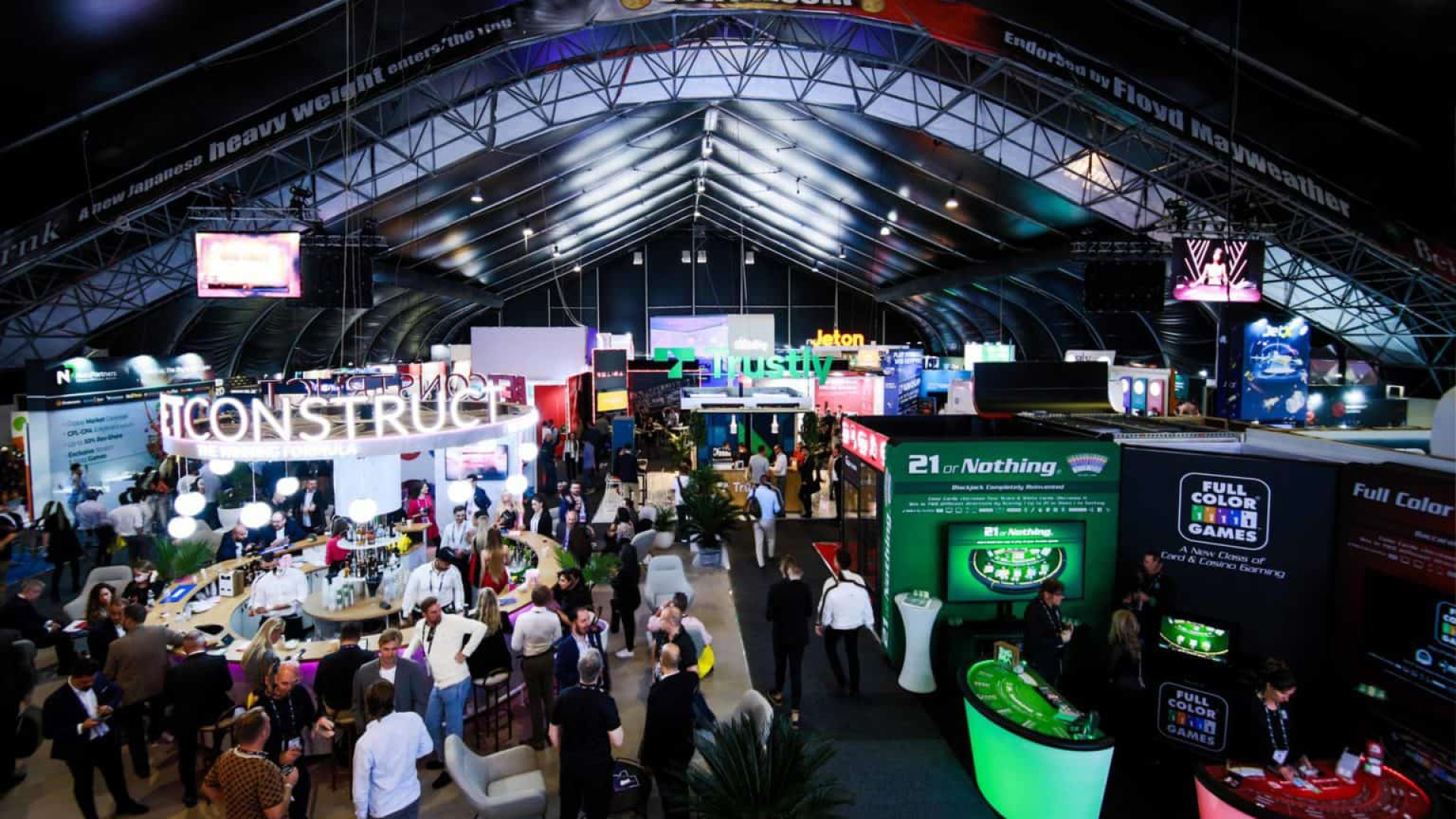
على مدار اليوم، يجتمع فريق Gamecheck مع مشغلين ومقدمي خدمات يدركون نفس التحدي - إذ يحتاج القطاع إلى نظام موثوق للتحقق من أصالة الألعاب. وتتمحور هذه المناقشات حول التعاون لا المنافسة.
بالنسبة للمشغلين، يعني التحقق من خلال Gamecheck إثبات المسؤولية تجاه لاعبيهم. أما بالنسبة للمزودين، فهو يحمي الملكية الفكرية من خلال تحديد النسخ المنسوخة أو المُتلاعب بها من ألعابهم. أما بالنسبة للاعبين، فهو يُطمئنهم على نزاهة لعبهم. المفهوم المشترك بسيط: الألعاب المزيفة تُلحق الضرر بالجميع، فهي تُشوّه البيانات، وتُضعف الثقة، وتُقوّض منظومة ألعاب الإنترنت بأكملها. من خلال حضور SiGMA، تُشجع Gamecheck قطاع الألعاب على التوحد حول هدف مشترك - الشفافية من خلال الأدلة.
التكنولوجيا التي تكسب الثقة
ينصبُّ جلُّ الاهتمام اليوم على كيفية تحويل Gamecheck لعملية التحقق إلى عملية مستمرة. على سبيل المثال، ختم Gamecheck ليس شعارًا ثابتًا، بل علامة ثقة ديناميكية تُحدَّث تلقائيًا. يُظهر هذا الختم الحالة الحالية لكازينو الإنترنت فورًا - سواءً تم تأكيد الألعاب الحقيقية ، أو تم اكتشاف ألعاب مزيفة ، أو لا تزال عمليات التحقق قيد الانتظار.
كل ختم Gamecheck مدعوم بسجل بلوكتشين، مما يضمن استمرارية كل تحديث وعدم إمكانية التلاعب به. هذا يعني أنه بمجرد إزالة ختم Gamecheck، لا يمكن إعادة تفعيله إلا بعد تقديم أدلة جديدة وفترة تشغيل نظيفة مُوثّقة.
يُمثل هذا المستوى من الشفافية معيارًا جديدًا للنزاهة. فهو يُمكّن اللاعبين من اتخاذ قرارات مدروسة، ويُشجع المُشغّلين على الحفاظ على النزاهة، لا مجرد ادعاء ذلك.
العدالة كمسؤولية مشتركة
المسؤولية موضوعٌ يتكرر في كل محادثة. يلعب كلٌ من مُقدّمي الخدمات والمُشغّلين وشركاء التكنولوجيا دورًا في الحفاظ على نزاهة اللعب. يُعزّز نظام Gamecheck هذا التعاون من خلال ربط جميع الأطراف ببيانات شفافة. عند اكتشاف ألعاب مزيفة، تُنشر المعلومات علنًا لإعلام اللاعبين وحماية مُقدّمي الخدمات. عند تأكيد الألعاب الحقيقية، يُساعد هذا التحقق على بناء الثقة في السوق. حياد Gamecheck جزءٌ من قوتها. فهي لا تُنظّم أو تُصدر أحكامًا؛ بل تُجري فحصًا وتُبلّغ وتُثقّف.
لماذا تلقى الرسالة صدى؟
ووصف العديد من الحضور نموذج Gamecheck بأنه "منعش".
في بيئةٍ غالبًا ما تبدو فيها الامتثالية معقدة، يتميز هيكل Gamecheck بالوضوح وسهولة التواصل. فهو يوفر ما يحتاجه القطاع منذ زمن طويل - طبقةً شفافةً وواقعيةً تؤكد ما إذا كان الكازينو الإلكتروني يعمل بألعابٍ مُوثّقة.
إن وضوح هذه الرسالة هو ما يميز مشاركة Gamecheck في المؤتمر. فبدلاً من التركيز على التنظيم، تُركز على الجانب الإنساني للقضية: عدالة اللاعبين، وحماية مقدمي الخدمات، ومساءلة المشغلين. تُساهم Gamecheck في إعادة بناء أهم عملة في عالم الألعاب الإلكترونية: الثقة.
قضية عالمية ذات تركيز أوروبي
رغم أن الألعاب المزيفة مشكلة عالمية، إلا أن تأثيرها يختلف باختلاف المنطقة. ففي الأسواق النامية، يسمح ضعف الرقابة بازدهار الألعاب المزيفة. أما في أوروبا، حيث يمتلك معظم المشغلين تراخيص، فإن الضرر يتعلق بالسمعة أكثر منه بالجوانب القانونية.
لهذا السبب، يُعدّ مؤتمر SiGMA Central Europe منصةً بالغة الأهمية. فهو يجمع شركاتٍ من جميع أنحاء القارة لمناقشة النزاهة كهدفٍ مشترك. وتستند شراكات Gamecheck الأوروبية إلى هذا المبدأ، حيث تعمل بشكل وثيق مع مُقدّمي الخدمات للتأكد من أصالة الألعاب في مختلف الولايات القضائية.
أبدى الحضور من أوروبا الوسطى اهتمامًا كبيرًا باستخدام تقارير التحقق من Gamecheck للكشف عن المشغلين غير القانونيين قبل وصولهم إلى اللاعبين في أسواقهم المحلية. وبالنسبة للكثيرين، يُمثل هذا بداية معيار جديد: الثقة القائمة على الأدلة.
الشفافية المستمرة
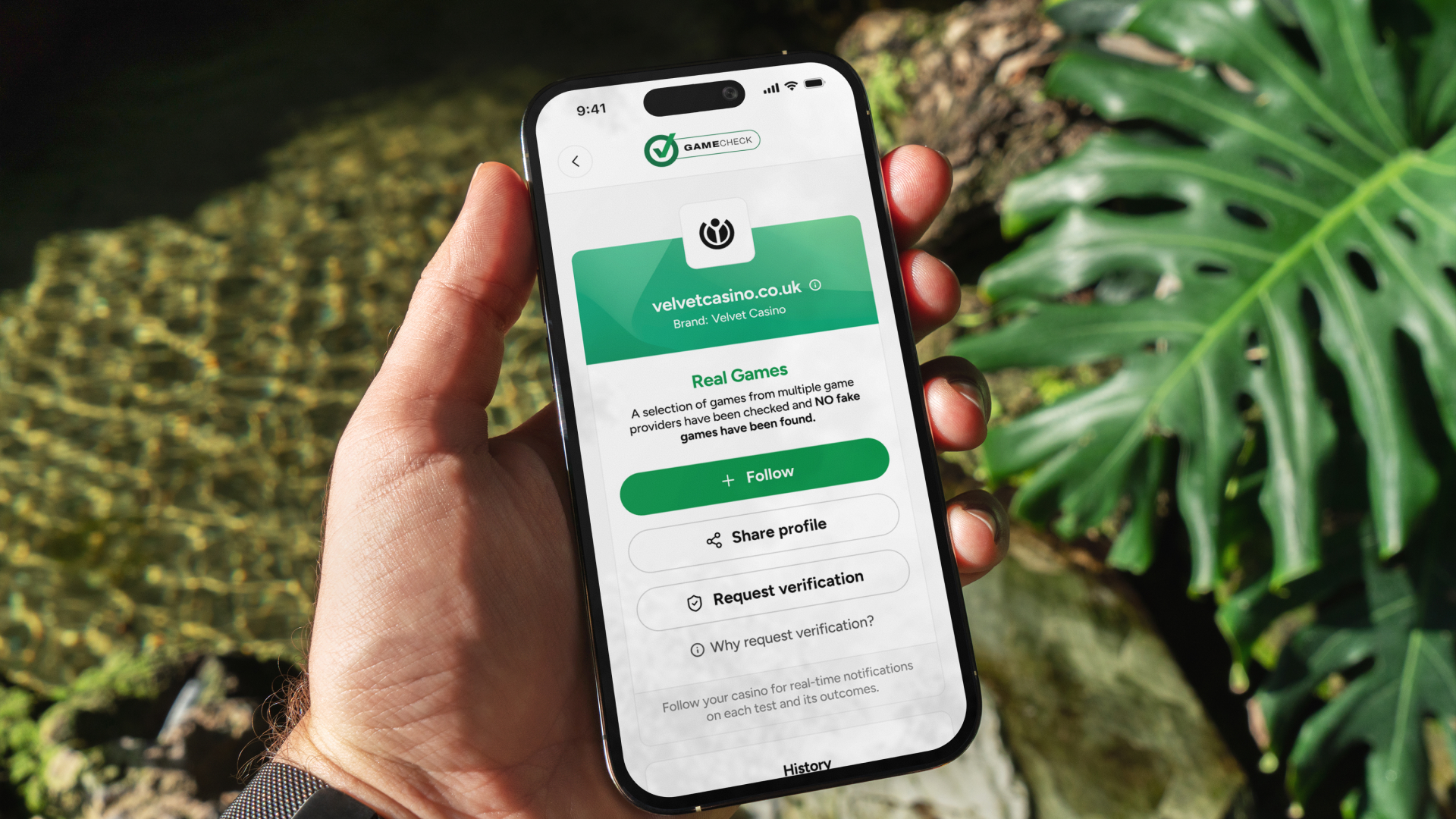
ما يميز نهج Gamecheck عن أنظمة التدقيق التقليدية هو طبيعته المستمرة. فبمجرد فحص كازينو إلكتروني، لا يُترك وحيدًا. بل تستمر المراقبة في الخلفية، مما يضمن دقة النتائج مع مرور الوقت. في حال اكتشاف ألعاب مزيفة بعد عرض مُشغّل Gamecheck SEAL، يُزال على الفور. هذا يضمن للاعبين رؤية الحقيقة دائمًا وبشكل فوري.
تحول في الاتجاه الصحيح
مع نهاية اليوم الثاني، بدا جو فعالية ألعاب الإنترنت مختلفًا تمامًا عن بدايتها. فقد تحوّل حماس التواصل الأولي إلى نقاشات عميقة حول الاستدامة والمسؤولية وثقة اللاعبين.
بدأ الحضور ينظرون إلى النزاهة ليس كأمر ثانوي، بل كميزة. فالمشغّلون الذين يثبتون استضافتهم لألعاب حقيقية لا يحمون اللاعبين فحسب، بل يُحسّنون أيضًا مكانتهم في السوق.
ساهم حضور "جيم تشيك" في روما في تأطير هذه المناقشة عمليًا. فعملية التحقق التي تقوم بها ليست مجردة أو نظرية، بل هي عملية سهلة المنال وفورية. وفي قطاع قائم على الترفيه، تُقدم هذه العملية شيئًا لا يقل أهمية: الأدلة.
تأملات اليوم الثالث من روما
يُختتم اليوم الثالث من مؤتمر SiGMA في أوروبا الوسطى بإيقاعٍ متواصل من التقدم. وتدور الآن نقاشاتٌ حول التكنولوجيا حول الثقة كموضوعٍ رئيسي. ويتبادل مُزوّدو الخدمات رؤاهم حول كيفية دعم التحقق لحماية ملكيتهم الفكرية. ويتساءل المُشغّلون عن التكامل والجداول الزمنية. ويدرس الشركاء كيفية استخدام نتائج التحقق في مراجعاتهم. وأصبح مبدأ النزاهة، الذي كان يُعتبر في السابق مبدأً أخلاقيًا، استراتيجيةً تجاريةً.
ورسالة Gamecheck تُشكّل هذا التحول. ستُركز مدونة الغد على ما تُروّج له Gamecheck في روما - Gamecheck SEAL ، ومناقشات الصناعة حيث يتشكل التعاون ويتحرك التكامل إلى الأمام.
ترقبوا تحديثنا المباشر الأخير من مؤتمر SiGMA Central Europe في روما.
✅ أثبت أن ألعابك أصلية. احصل على ختم Gamecheck .
مقالات ذات صلة