Operadores fraudulentos estão visando jogadores de cassino turcos com jogos falsos, identificados pelo processo de verificação da Gamecheck. Os provedores originais confirmaram que os jogos nesses sites não correspondem aos seus.
O padrão é consistente: cada plataforma parece um cassino online confiável, ostentando os nomes de provedores de jogos renomados. Nada parece fora do comum para um jogador navegando pelo lobby — os jogos carregam, as interfaces são familiares. Mas os jogos não são o que aparentam ser.
Os cassinos falsos identificados e seus perfis no Gamecheck estão listados abaixo:
Chillbet – chillbet - Gamecheck
Clownbet – clownbet - Gamecheck
Aposta cruzada – APOSTA CRUZADA - Gamecheck
Geobahis – GeoBahis - Gamecheck
Goldeneyemobil – goldeneyemobil - Gamecheck
Lasvegas445 – lasvegas - Gamecheck
Miawbet –MiawBet - Análise de Jogo
Milyonxbet – milyonxbet - Verificação de jogo
Handikap – Handikap - Verificação de jogo
Pulsarbet – PULSARBET - Verificação de jogo
Vegas Nova – VEGASNOVA - Gamecheck
Cada link leva os jogadores diretamente ao perfil do Gamecheck, onde os resultados são publicados.
Nem todas as plataformas permanecem na mesma posição. A Bahsine é um exemplo de operadora que inicialmente teve jogos falsos detectados e que, desde então, passou a oferecer jogos reais. Seu perfil no Gamecheck agora reflete essa mudança:Bahsine.com - Gamecheck
Isso demonstra que o processo de verificação do Gamecheck produz resultados que os operadores podem utilizar e que o status de uma plataforma não é fixo. Um site que antes exibia jogos falsos e agora mostra jogos reais em operação passou por uma mudança significativa, documentada em seu perfil no Gamecheck. Os jogadores devem sempre verificar o status atual em vez de confiar em um resultado anterior.
Todos os jogos de cassino online são proibidos na Turquia, com exceção das apostas esportivas e sorteios de loteria autorizados pelo Estado, visto que os cassinos físicos foram proibidos em 1998 e os jogos de azar online não estatais foram proibidos em 2006.
O acesso a jogos de cassino online continua restrito por meio de canais oficiais para residentes na Turquia, o que significa que muitos jogadores recorrem a plataformas estrangeiras. Esse ambiente cria uma oportunidade para operadores fraudulentos. Os jogadores tendem a ser menos propensos a verificar a legitimidade dos jogos que estão jogando.
Os cassinos online falsos identificados neste relatório tomaram a decisão calculada de visar esse público. Eles oferecem jogos que foram verificados e considerados falsos.
Um jogador em uma dessas plataformas não está jogando o jogo que pensa estar jogando. O resultado de qualquer giro, mão ou rodada não é determinado pela matemática do jogo original. Independentemente do que o valor de retorno ao jogador exibido possa sugerir, o comportamento de um jogo falso é desconhecido.
Operadores fraudulentos que administram jogos falsos geralmente não criam seus próprios motores de jogo do zero. A abordagem mais comum é pegar a aparência externa de um jogo conhecido: seu nome, gráficos e apresentação geral, e substituir a mecânica subjacente. O resultado parece crível. Ele carrega a credibilidade implícita de um título reconhecido. Mas o jogador não está interagindo com o jogo que o provedor criou. Essa abordagem é deliberada. Ela explora o fato de que a maioria dos jogadores não tem como examinar o interior de um jogo e comparar sua mecânica com a do original. Sem uma ferramenta projetada para fazer isso, o jogo falso passa despercebido.
A Gamecheck existe para preencher essa lacuna. O processo vai além da aparência superficial — ele examina se o jogo em si é consistente com o que o provedor original produziu. Os resultados são confirmados em colaboração com os próprios provedores, que são os mais indicados para confirmar se um jogo que leva seu nome é autêntico.
A Turquia representa um público significativo de cassinos online – um público que operadores fraudulentos identificaram claramente como alvo. As plataformas listadas acima variam em apresentação e escala, mas compartilham uma característica comum: seus jogos não resistem a verificações independentes.
Para os jogadores, a presença de vários operadores fraudulentos que oferecem jogos falsos no mesmo mercado reforça um ponto óbvio. Um lobby bem elaborado e um nome de jogo reconhecível não comprovam que o jogo em si seja real. São características que podem ser replicadas independentemente do que esteja por trás da plataforma. A única maneira de saber se os jogos oferecidos são reais é verificá-los de forma independente. É exatamente isso que o Gamecheck faz.
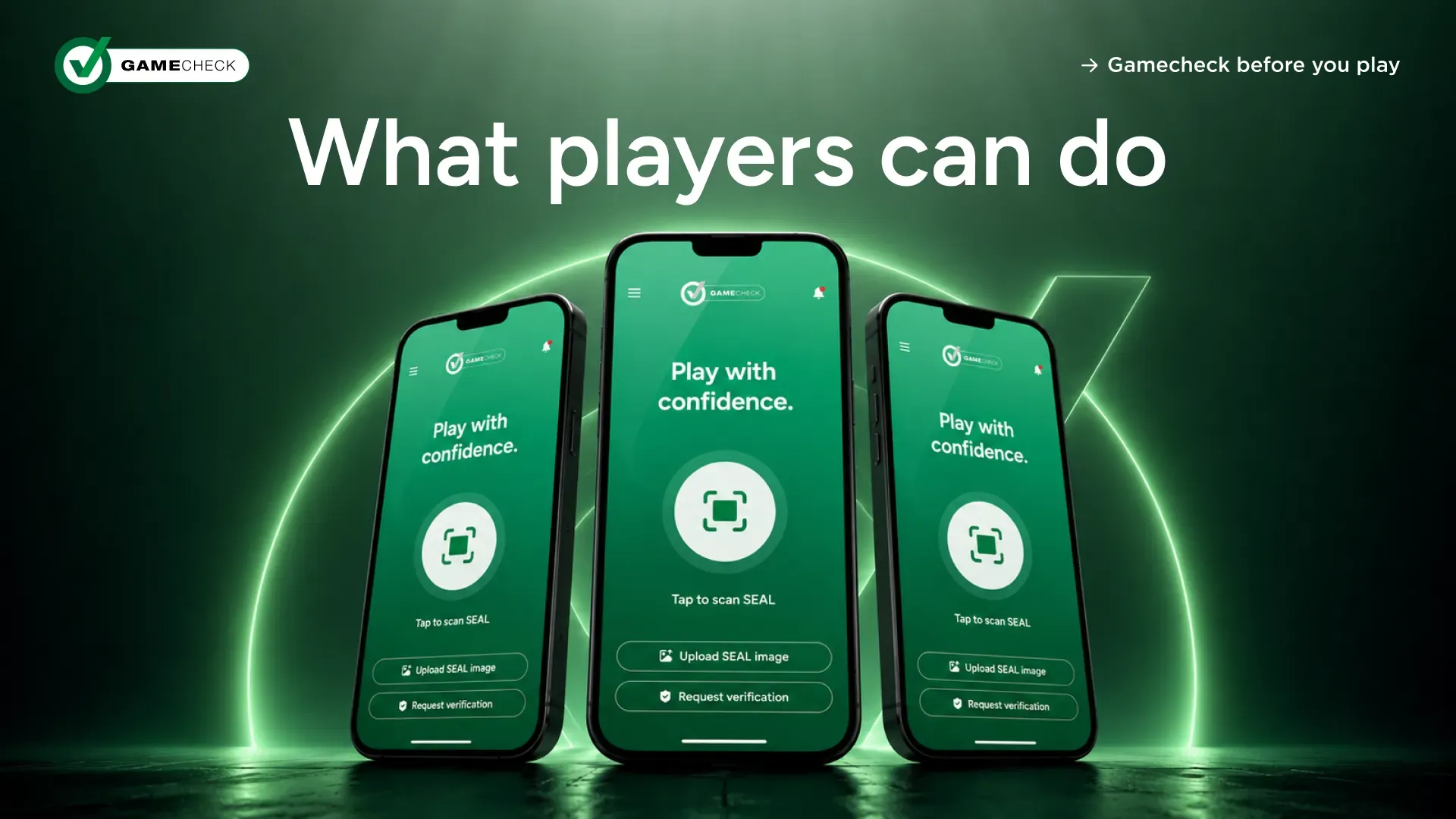
Qualquer jogador que tenha visitado um desses cassinos falsos, ou que suspeite ter encontrado jogos falsos em outro lugar, pode usar o aplicativo gratuito Gamecheck para verificar cassinos online antes de jogar. O aplicativo está disponível para iOS e Android.
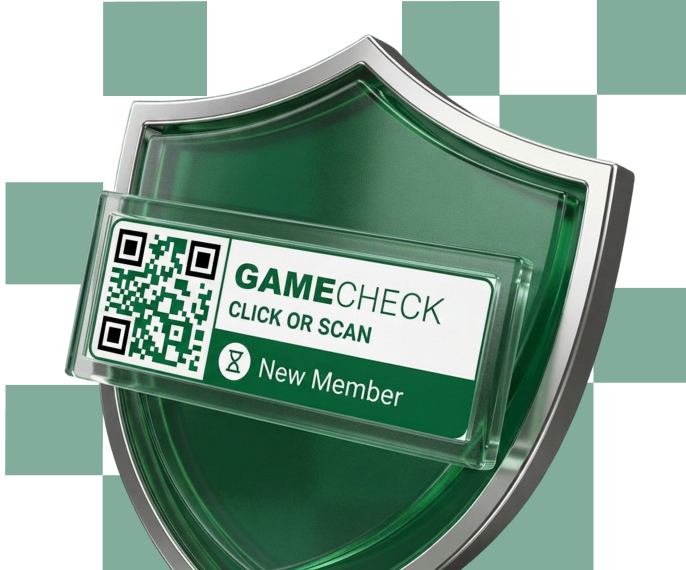
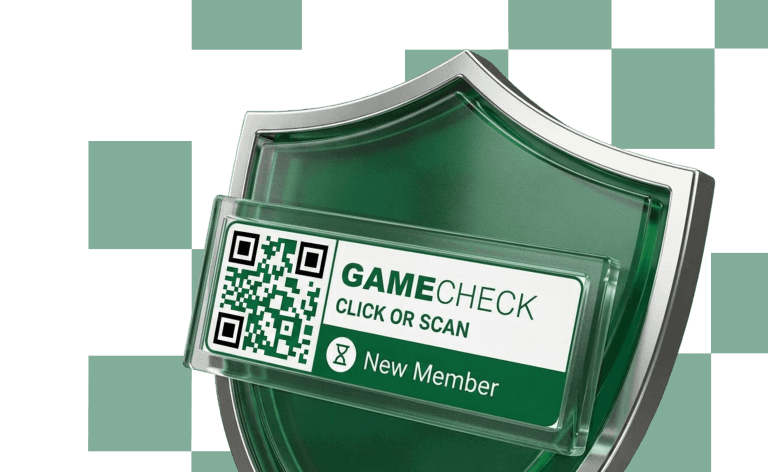
Os jogadores também podem procurar o selo Gamecheck nos sites das operadoras. O selo Gamecheck é um selo de confiança dinâmico que só pode ser autenticado pelo aplicativo Gamecheck. Um selo falsificado pode ser identificado pelo aplicativo e bloqueado, garantindo que os jogadores nunca sejam enganados por uma operadora desonesta que exiba uma versão falsa.
Para cada um dos cassinos online falsos mencionados neste relatório, as conclusões da Gamecheck já foram publicadas. Os jogadores podem consultá-las diretamente através dos links para os perfis da Gamecheck acima.
Os cassinos falsos identificados aqui contam com o fato de os jogadores não terem ferramentas para analisar criteriosamente o que lhes é oferecido. Esse cálculo está incorreto. Os perfis do Gamecheck para essas plataformas são públicos. Os jogadores agora têm as informações necessárias para fazer uma escolha diferente. Antes de jogar em qualquer cassino online, verifique se os jogos são reais. O aplicativo Gamecheck é gratuito, leva apenas alguns segundos e pode te ajudar a economizar dinheiro.
Baixe o aplicativo gratuito Gamecheck para iOS e Android.
Consulte qualquer cassino online no gamecheck.com antes de jogar.
Não. As plataformas identificadas neste relatório são operadoras específicas cujos jogos foram verificados e considerados falsos. Existem cassinos online no mercado que oferecem jogos reais. A questão não é evitar todas as plataformas, mas sim verificar antes de jogar. Os perfis do Gamecheck são de acesso gratuito e levam apenas alguns segundos para serem analisados.
Sim. Como demonstra o caso da Bahsine, uma plataforma que antes oferecia jogos falsos pode mudar para jogos reais. Os perfis do Gamecheck refletem o status atual, portanto, um resultado de alguns meses atrás pode não refletir o que um site oferece hoje. Sempre verifique o perfil atual.
O selo Gamecheck SEAL só pode ser autenticado pelo aplicativo Gamecheck. Se um operador desonesto o copiar, o aplicativo o bloqueará. Escaneie o selo usando o aplicativo para confirmar sua autenticidade — disponível gratuitamente para iOS e Android.
Publicado em: Jun 28, 2026
Atualizado em: Sep 21, 2026
Junte-se aos operadores que usam o SEAL da Gamecheck para proteger os jogadores e aumentar a credibilidade.