Gamecheck identificeert 5000 nep-onlinecasino's in Brazilië.

Gamecheck heeft 5000 nep-onlinecasino's met nep-spellen in Brazilië ontdekt, en hier begint de onthulling. Nieuwe bevindingen verschijnen dagelijks op sociale media en wekelijks hier op de blog. Volg de serie over de onthullingen in Brazilië om te zien welke sites als volgende aan de kaak worden gesteld.
Brazilië is een van de grootste online casinomarkten ter wereld en een van de snelstgroeiende. Snelle groei brengt echter ook risico's met zich mee. Naarmate er meer spelers bijkomen en nieuwe platforms ontstaan, zijn nep-spellen een ernstig probleem geworden. Van alle markten die Gamecheck monitort, heeft Brazilië het hoogste aantal nep-online casinospellen.
Sinds Gamecheck actief is, heeft het wereldwijd meer dan 8.000 nep-spellen opgespoord. Meer dan 6.800 daarvan werden in Brazilië gevonden, waaronder 3.800 nep-casino's die in één maand tijd werden geïdentificeerd.
In de eerste helft van 2026 bereikte dat aantal 5.000 nep-onlinecasinosites die zich richtten op Braziliaanse spelers. Geen enkele andere markt die Gamecheck monitort komt daarbij in de buurt - Brazilië is goed voor het grootste aandeel van de gedetecteerde nep-spellen ter wereld.
Gezien de omvang van het probleem is het onmogelijk om in één blogpost alle nepwebsites te noemen die Gamecheck heeft geïdentificeerd. Dit is het eerste deel in een doorlopende reeks onthullingen, waarbij elk deel een nieuwe steekproef van 50 nepwebsites behandelt.
Gamecheck heeft de volgende online casino's geïdentificeerd die nep-spellen aanbieden op de Braziliaanse markt. Links naar de Gamecheck-profielen zijn voor elke site beschikbaar.
Deze lijst wordt wekelijks bijgewerkt, aangezien Gamecheck zijn onderzoek naar de Braziliaanse markt voortzet. Elke week wordt er een nieuwe reeks nepwebsites in deze serie ontmaskerd. Spelers kunnen elk online casino ter beoordeling melden via 'Casino verificatie aanvragen | Gamecheck' .
De gereguleerde online casinomarkt van Brazilië ging begin 2025 van start met een enorme impuls. Licenties werden verstrekt, internationale aanbieders betraden de markt en miljoenen spelers kregen voor het eerst toegang tot een legaal kader voor online casinospellen. Het was, hoe je het ook bekijkt, een mijlpaal voor een van 's werelds grootste en meest enthousiaste gamegemeenschappen.
De omvang van de markt verklaart dit. Gokwebsites in Brazilië genereerden in 2025 ongeveer 7 miljard dollar aan bruto spelomzet, volgens het Braziliaanse secretariaat voor prijzen en weddenschappen ( iGaming Business ), en de omzet zal naar verwachting in 2029 oplopen tot bijna 10 miljard dollar, volgens H2 Gambling Capital ( H2GC ).
Binnen een jaar na de opening van de gereguleerde markt werd Brazilië de vijfde grootste gokmarkt ter wereld, zoals gemeld door BBC News Brazil ( via Terra ). Geautoriseerde platforms genereerden naar schatting 290 miljoen dollar aan belastinginkomsten in januari 2026, volgens de Braziliaanse belastingdienst ( iGamingToday ), en creëerden naar schatting 15.000 goedbetaalde banen, volgens het Instituto Brasileiro de Jogo Responsável ( IBJR ).
De snelle groei van de markt bracht kansen met zich mee, en daarmee ook een golf van nep-casino-aanbieders die wilden profiteren van een spelersbasis die nieuw en groeiend was en grotendeels niet wist hoe ze een betrouwbaar platform konden onderscheiden van een platform dat niet eerlijk speelt.
In slechts één maand tijd identificeerde Gamecheck 3.800 nepcasinosites die actief waren op de Braziliaanse markt. Deze sites boden spellen aan die gekopieerd waren of volledig buiten de infrastructuur van de oorspronkelijke spelaanbieder om draaiden. Het probleem van nepcasino's in Brazilië groeit, en wel in een rap tempo.
De Braziliaanse markt bood alles wat nepcasino's aantrekt. Een grote, betrokken spelersbasis. Wijdverspreid gebruik van smartphones. Miljoenen nieuwe online casinospelers met beperkte ervaring in het beoordelen of een platform eerlijk opereert. En een explosie aan nieuwe merken, waardoor het voor spelers moeilijk is om onderscheid te maken tussen aanbieders die eerlijk spelen en aanbieders die dat niet doen.
Nepgames floreren juist in die omgeving. Een platform kan gelanceerd worden met een professioneel ontwerp, bekende gamenamen en een schijn van legitimiteit. Wat het echter niet kan nabootsen zonder de medewerking van de oorspronkelijke gameaanbieders, is de echte software die eronder schuilgaat.
Wanneer Gamecheck een spel test, worden de bevindingen rechtstreeks gecontroleerd bij de oorspronkelijke spelaanbieders. Als het spel dat op een site draait nep is, zal de controle dit aantonen. In Brazilië leveren deze controles zo vaak valse resultaten op dat het wijst op meer dan gelegenheidsfraude. Dit is georganiseerd, wijdverspreid en neemt in een stroomversnelling toe.
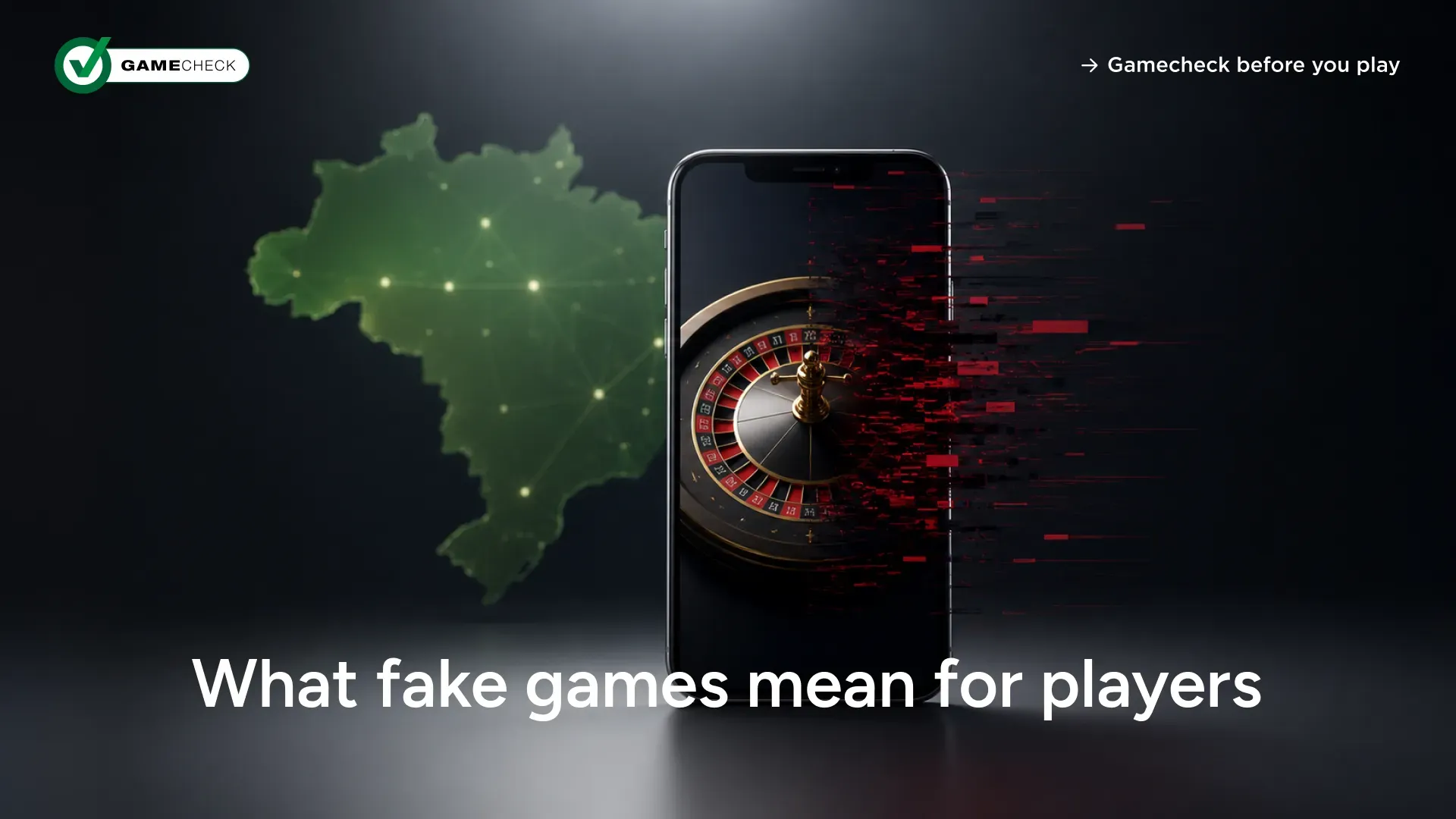
Een nep-spel ziet er echt uit. De naam, de graphics, de animaties, alles kan identiek zijn aan een titel van een bekende game-aanbieder. Wat spelers niet kunnen zien, is wat er op de achtergrond gebeurt.
Echte spellen functioneren binnen een infrastructuur die wordt geleverd en beheerd door de oorspronkelijke spelaanbieder. De uitbetalingspercentages, de spelmechanismen en de uitkomsten worden allemaal bepaald door de systemen van de aanbieder. Wanneer een spel is gekopieerd of aangepast en buiten die infrastructuur wordt aangeboden, gelden deze garanties niet meer. De cijfers die op het scherm worden weergegeven, komen mogelijk niet overeen met hoe het spel in werkelijkheid functioneert.
Spelers in Brazilië die op de in dit onderzoek genoemde websites hebben gespeeld, speelden nepversies van spellen waarvan ze dachten dat het echte spellen waren. Dat is geen kwestie van voorkeur of mening. Het is een kwestie van eerlijk spel.
Fred Azevedo, merkambassadeur van Gamecheck voor Latijns-Amerika, verwoordt het treffend:

"Het gesprek over spelersbescherming moet beginnen met authenticiteit. Voordat we het hebben over RTP, volatiliteit of verantwoord gokken, verdienen spelers het om te weten dat het spel dat ze spelen echt is. Als de software niet te vertrouwen is, is niets anders aan de spelervaring te vertrouwen. Onafhankelijke verificatie is een van de belangrijkste instrumenten waarover de industrie beschikt om spelers te beschermen en het vertrouwen in gereguleerde markten te versterken." - Fred Azevedo, merkambassadeur van Gamecheck voor Latijns-Amerika.
De omvang van wat Gamecheck in Brazilië heeft ontdekt, vormt een directe uitdaging voor aanbieders die eerlijk willen spelen. In een markt die zo sterk is geïnfiltreerd door nepcasinosites, hebben spelers geen betrouwbare manier om onderscheid te maken tussen platforms die echte spellen aanbieden en platforms die dat niet doen, tenzij aanbieders hen die mogelijkheid bieden.
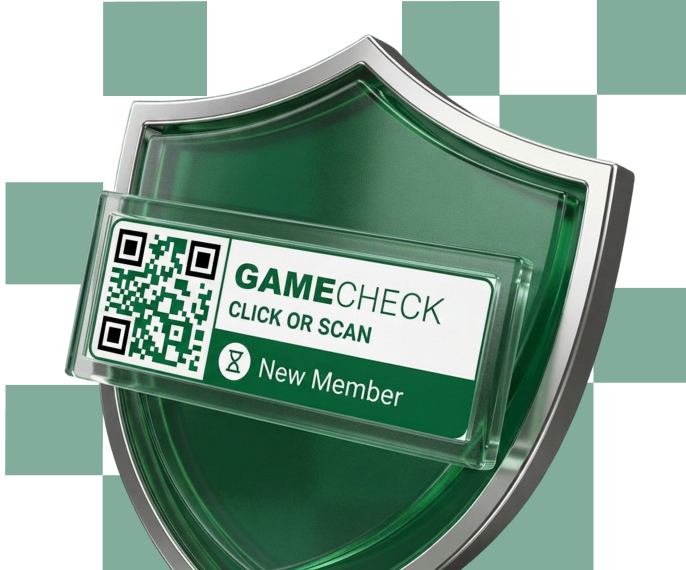
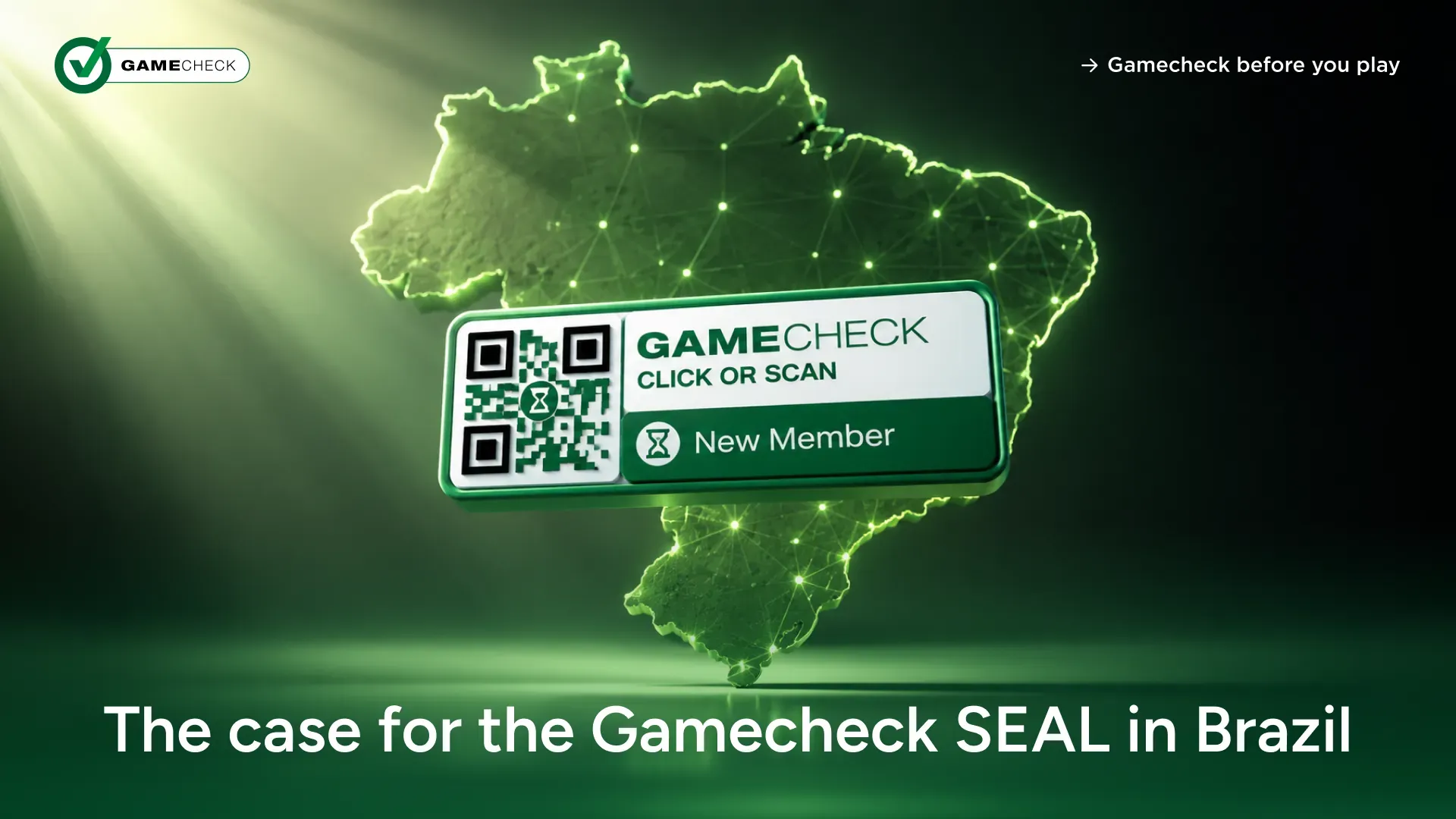
Aanbieders met het Gamecheck SEAL-keurmerk hebben een selectie van hun spellen laten controleren op echtheid door de oorspronkelijke spelaanbieders. Het Gamecheck SEAL-keurmerk is gekoppeld aan een specifiek domein, dat wordt weergegeven op de website van de aanbieder en direct kan worden gescand via de gratis Gamecheck-app voor iOS en Android. Elk resultaat wordt opgeslagen op de blockchain. Als er later nep-spellen worden gedetecteerd op de website van een aanbieder met een Gamecheck SEAL-keurmerk, wordt het keurmerk verwijderd.
In een markt waar in één maand tijd 3.800 nepcasinosites werden ontdekt, is dat onderscheid van enorm belang. Spelers in Brazilië bevinden zich in een omgeving waar het grote aantal oneerlijke platforms het nemen van weloverwogen beslissingen extreem moeilijk maakt. Operators die eerlijk spelen, moeten hun toewijding aan eerlijke spellen zichtbaar maken, en het Gamecheck SEAL-keurmerk is de beste manier om dat te doen.
Gamecheck moedigt alle aanbieders die actief zijn op de Braziliaanse markt actief aan om zich aan te melden voor het Gamecheck SEAL-keurmerk. Dit is het duidelijkste signaal dat een aanbieder aan spelers kan geven dat hun spellen zijn gecontroleerd en als authentiek zijn bevestigd. In een snel veranderende markt als Brazilië kan dat signaal niet snel genoeg komen.
Operators kunnen meer informatie vinden en aan de slag gaan op SEAL Pricing | Gamecheck .
Voor directe vragen kunt u contact opnemen met het team via sales@gamecheck.com .
De Braziliaanse online casinomarkt bestaat nog geen anderhalf jaar en kampt nu al met een van de grootste problemen met nepcasino's die Gamecheck ooit wereldwijd heeft geregistreerd. 5.000 nepcasino's die in de eerste helft van 2026 zijn geïdentificeerd, is een statistiek die niet genegeerd kan worden, niet door spelers, niet door aanbieders en niet door iedereen die belang heeft bij de gezondheid van de Braziliaanse markt op de lange termijn.
Voor spelers in Brazilië is het advies simpel. Controleer de site eerst voordat je geld stort op een online casino. Gebruik de gratis Gamecheck-zoektool, de Gamecheck-app voor iOS of Android, of de Gamecheck Chrome-extensie. Scan het Gamecheck-zegel met de app om te bevestigen dat de spellen echt zijn.
Voor aanbieders die actief zijn op de Braziliaanse markt, spreken de gegevens voor zich. Spelers hebben een betrouwbare manier nodig om platforms te identificeren die echte spellen aanbieden. Het Gamecheck SEAL-keurmerk biedt precies dat, en in een markt met een dergelijk risiconiveau is het tonen ervan een van de meest waardevolle toezeggingen die een aanbieder kan doen aan zijn spelers.
Gamecheck zal de Braziliaanse markt blijven volgen en de bevindingen publiceren.
Volg de onthullingsreeks over Brazilië om te zien welke sites er als volgende aan de kaak worden gesteld, en download de Gamecheck-app om elk online casino te controleren voordat je gaat spelen. Zoek de site op gamecheck.com om erachter te komen of deze echt of nep is.
Gepubliceerd op: Jul 19, 2026
Bijgewerkt op: Oct 23, 2026
-400x225.webp)
-400x225.webp)
Sluit u aan bij operators die Gamecheck SEAL gebruiken om spelers te beschermen en geloofwaardigheid te vergroten.