Part 9: Gamecheck identifies 5000 fake online casinos in Brazil

Brazil's online casino market has become one of the fastest-growing player bases in the world, and Gamecheck's evidence shows this growth has attracted rogue operators at a similar pace. This week's investigation adds another 50 sites to the list of fake online casinos identified across the country, taking the total exposed through this series past the halfway mark.
Here are the next 50 rogue sites Gamecheck has identified offering fake games in Brazil:
Gamecheck gathers evidence and checks a selection of games in collaboration with the original game providers, who are best placed to confirm whether the games are real or fake. This process does not rely on guesswork or surface appearance. A site can look polished, and offer generous bonuses, and still be running fake versions of games that only look like the real thing.
That is exactly what this week's batch of sites has in common. Each one has been checked against this process and identified as hosting fake games, meaning players depositing money on these platforms are not getting what the homepage promises.
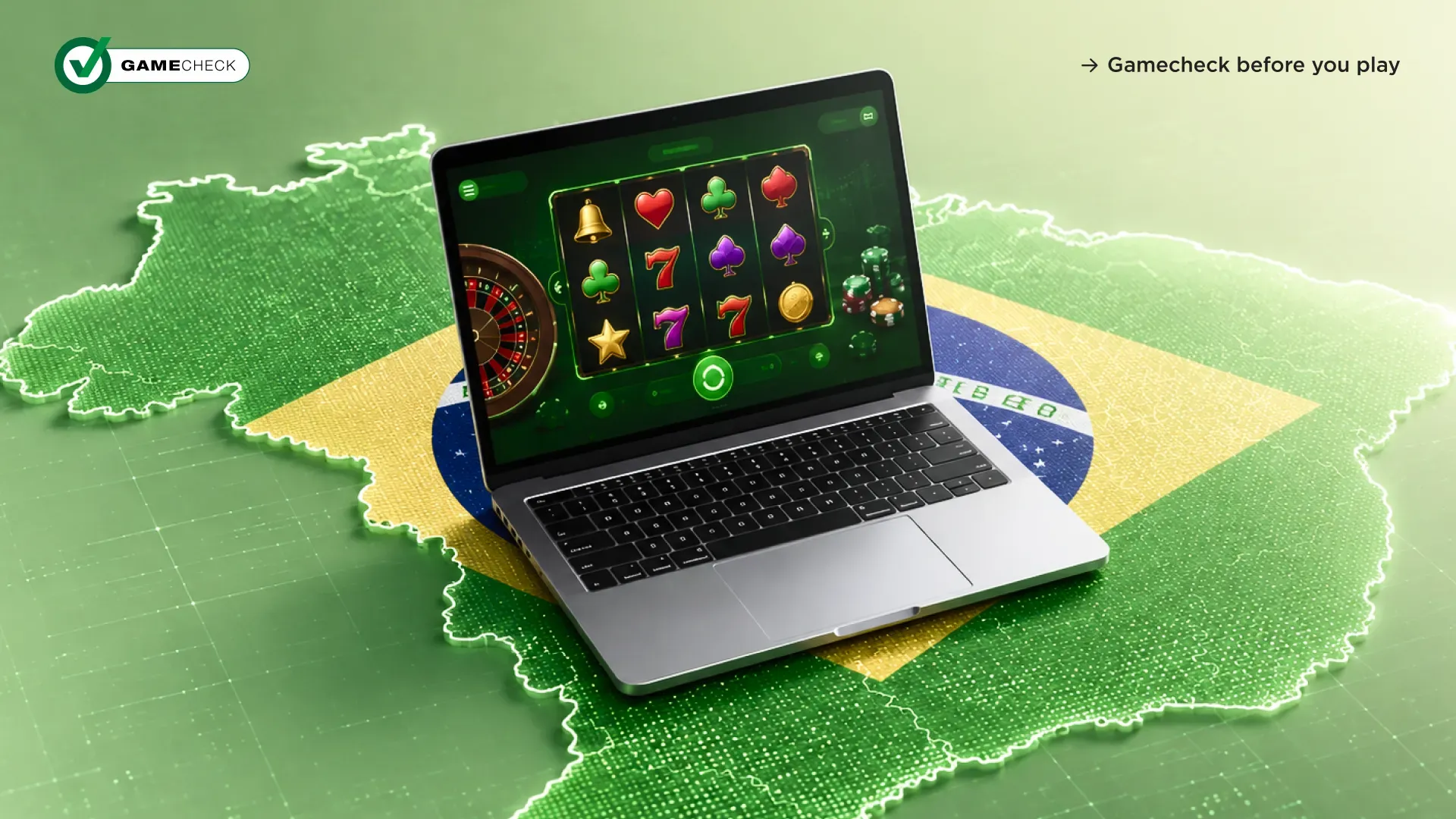
Of every market Gamecheck monitors, Brazil produces the highest number of fake online casino games identified to date, and the gap between Brazil and the next closest market is significant. This is not a coincidence. Brazil's regulated online casino market only opened at the start of 2025, and growth since then has been rapid. The market generated more than seven billion dollars in gross gaming revenue in its first year alone, making it the second largest regulated online market in the world behind the UK.
That scale of growth is exactly the environment rogue operators look for. A large and fast-expanding player base, millions of people betting through mobile apps for the first time, and a regulatory system still bedding in together create conditions that are difficult to police at speed. Gamecheck's own findings show that fake online casinos in Brazil tend to follow a small number of templates, favouring short, numeral-heavy domain names and near-identical branding that can be swapped out and relaunched within days once one domain is exposed or blocked. That pattern is visible again in this week's list, where several entries share prefixes or near-identical names, pointing to shared networks rather than isolated bad actors.
Research into Brazil's market suggests many players are still learning how to tell a real platform from a fake one. A survey conducted by Brazilian outlet UOL found that a large share of unlicensed sites blocked by Brazil's regulator simply redirect users to a new web address or app once blocked, meaning the same operator can resurface under a different name within days. Industry commentary on the market has also pointed to a general lack of awareness among players about how convincingly a fake site can be built, with some fake platforms copying the graphics and interface of well-known operators and offering copied versions of popular slot titles.
This is precisely the gap Gamecheck exists to close. Gamecheck provides three free and easy ways to check a site before depositing: the Gamecheck Search Tool, the Gamecheck app, and the Gamecheck Chrome Extension. Each does the same job in a different format, letting players check a domain from their browser, their phone, or a quick web search, whichever fits how they already play.
For operators offering real games, the answer to this gap is different.
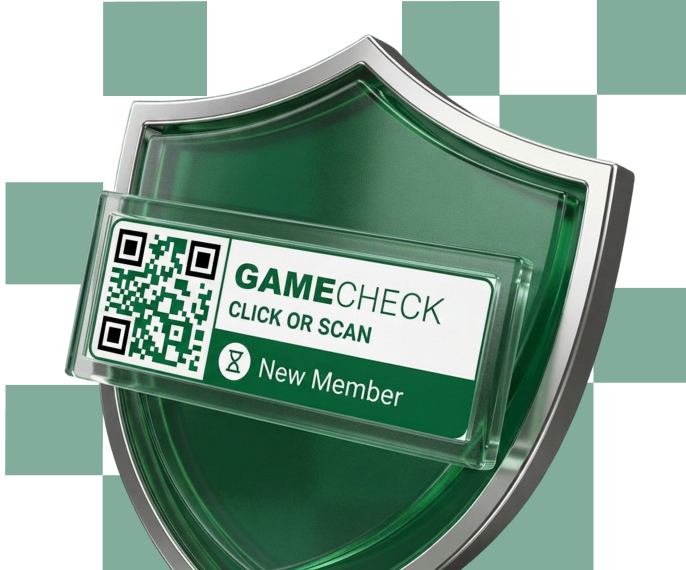
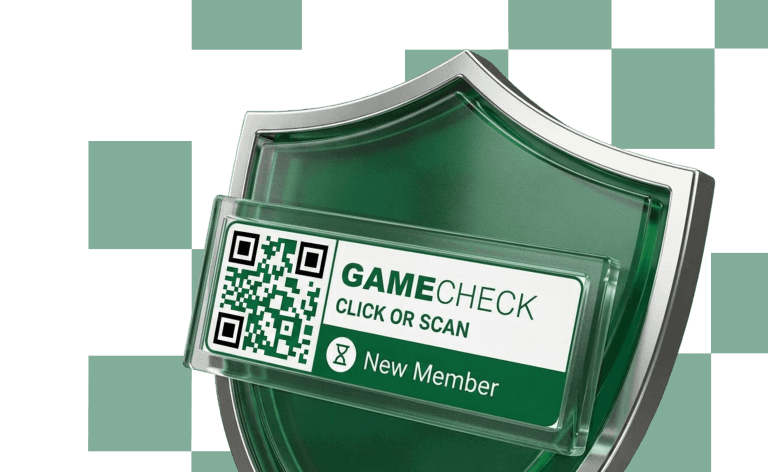
Gamecheck is encouraging operators active in Brazil to apply for the Gamecheck SEAL, a domain-linked badge that shows players a site's games have been checked with the original game providers. Displaying the Gamecheck SEAL gives operators a clear way to stand apart from the rogue sites named in this series, at a time when Brazilian players have every reason to be cautious about who they trust.
Check before you deposit, not after. Use the free Gamecheck Search Tool, Gamecheck app, or Chrome Extension to look up a domain before creating an account, not once something already feels wrong. A Gamecheck SEAL displayed on a site should always be scanned through the Gamecheck app rather than trusted on sight, since the SEAL is domain-linked and QR-authenticated, and copied seals are identified and exposed as soon as they appear. Be cautious of sites with short, numeral-heavy domain names, since this is one of the clearest patterns Gamecheck has identified among fake online casinos in Brazil. If a platform you use appears on this list or a future instalment of this series, stop depositing and review any recent activity on the account. Players can also request a check on any online casino not yet covered by Gamecheck directly through the free search tool.
Licensed operators offering real games have a growing incentive to make that distinction visible. Applying for the Gamecheck SEAL gives players a checkable signal that a site's games have been reviewed against the original game providers, rather than asking players to take an operator's word for it. Given how quickly rogue operators in Brazil are able to relaunch under new domains, operators should treat the Gamecheck SEAL as an ongoing commitment rather than a one-off badge, since monitoring continues after the SEAL is issued and can be revoked if issues are identified. Operators concerned about copied branding or imitation versions of their own platform appearing among fake sites can also flag this directly to Gamecheck for review.
Follow the Brazil exposé series to see which sites are exposed next. Part 10, out next week, will be the final instalment. Check your online casino with the free Gamecheck Search Tool before you play.
Published On: Sep 13, 2026
Updated On: Oct 23, 2026
-400x225.webp)
-400x225.webp)

Join operators using Gamecheck SEAL to protect players and grow credibility.