Explore Gamecheck’s expert insights and resources on online casinos.
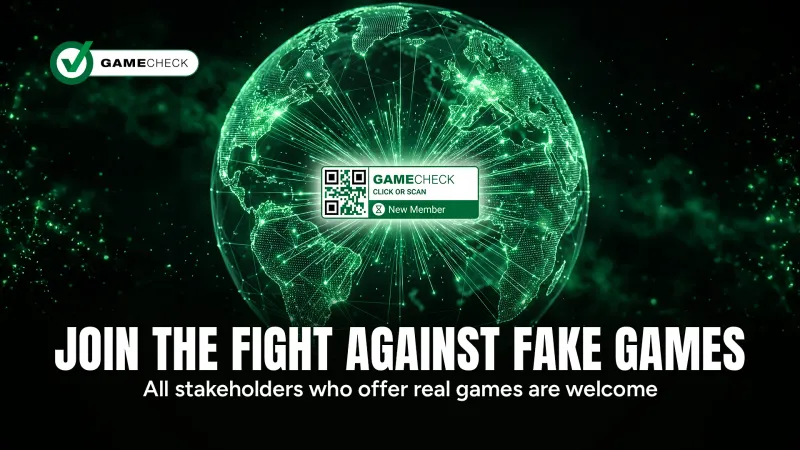
Fake games are not a problem any single online casino operator, or game provider can solve on their own. A rogue operator shut down in one market can reopen under a new domain within days. A copied game pulled from one site can resurface on another the same week. The only approach that actually works is a shared one across all markets across the globe, and that is what the Gamecheck SEAL was built to make possible.
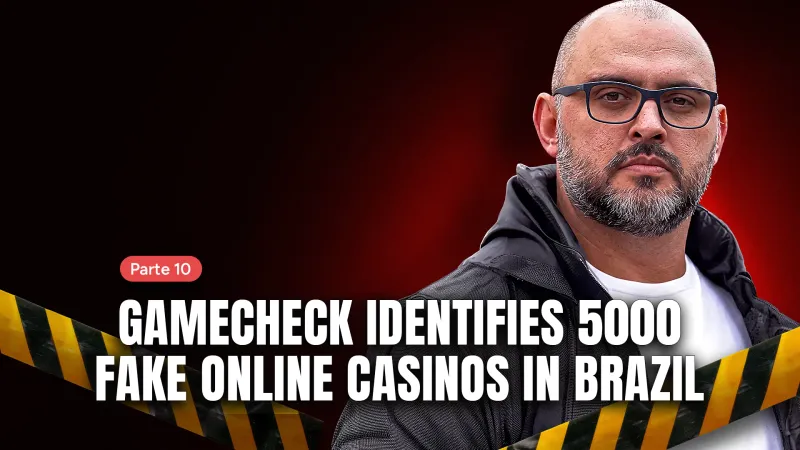
Gamecheck has identified 5000 fake online casinos with fake games in Brazil, and this is where the exposé begins. New findings land daily on social media, and weekly right here on the blog. Follow the Brazil exposé series to see which sites are exposed next.
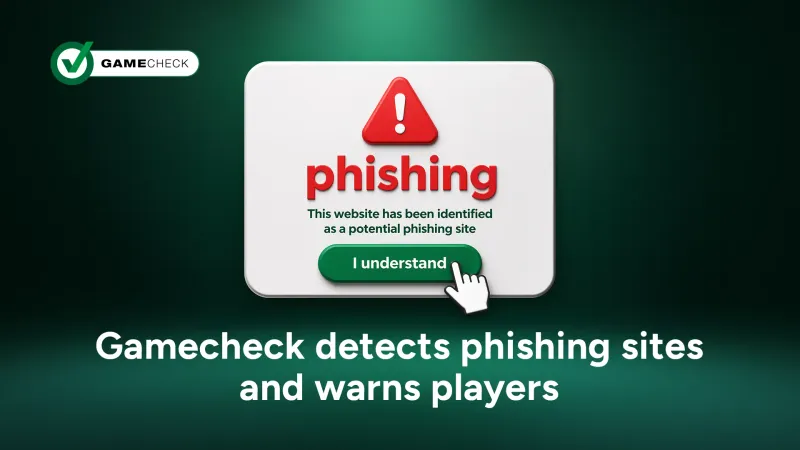
A new anti-phishing feature for players is now live on gamecheck.com Identity theft is one of the most underreported risks in online casino gaming. Players ask whether the games on a site are real, but there's a question that comes even earlier: is the site itself what it claims to be?
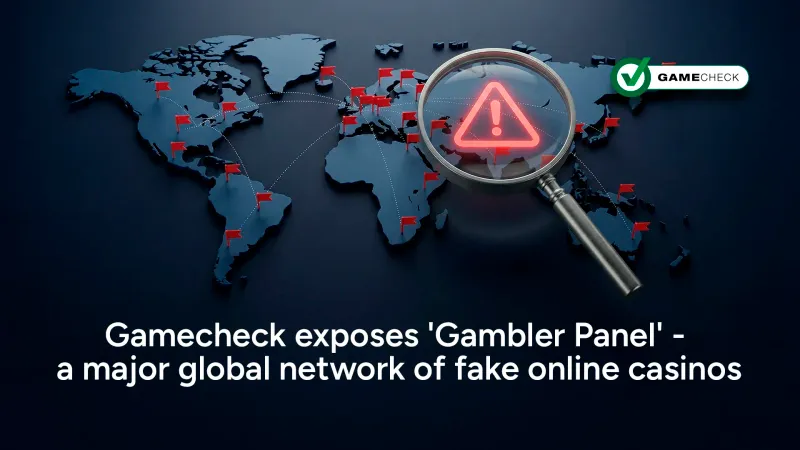
Gamecheck has uncovered one of the largest coordinated online gambling scams to date, exposing a network of fake online casinos operating under the so-called “Gambler Panel” infrastructure. Following months of detailed investigation and continuous monitoring, our team traced a connected group of rogue online casinos running on shared backend systems and using identical deceptive tactics, designed to trick players into depositing funds, only to see their money disappear. Our findings reveal a network designed to appear credible, attract traffic at scale, and replicate the same patterns across multiple domains.
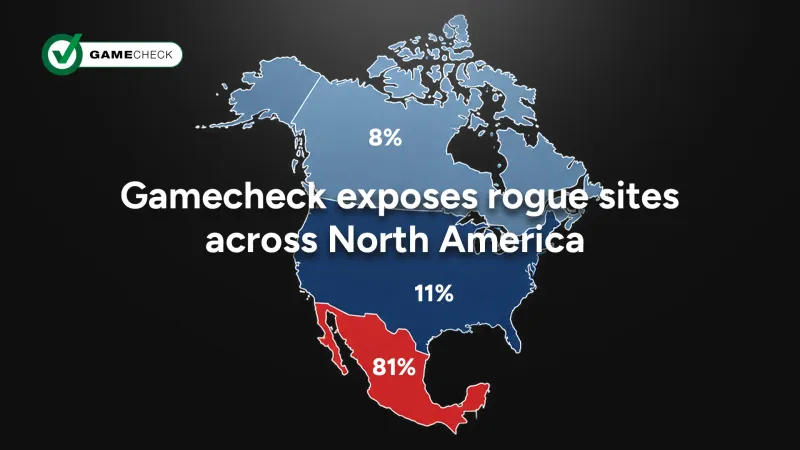
Gamecheck has identified 133 fake online casinos targeting players in North America. More than 100 of them, 81% of the total, target Mexico. Fourteen target the United States, 11%. Eleven target Canada, 8%. Together they form the latest group of fake online casinos identified by Gamecheck in the region, and each one now carries a Fake Games Detected status on the Gamecheck platform.
SBC Summit Lisbon 2026 closed yesterday, 1 October, and for anyone working in player protection, this was a week worth paying attention to. Around 40,000 industry professionals, more than 600 speakers, and over 800 exhibitors filled the Feira Internacional de Lisboa and MEO Arena across three days, from 29 September to 1 October. For the first time, the event carried a dedicated Player Protection Symposium running alongside its main conference stages, and a Player Protection Zone where attendees could see the tools behind that conversation for themselves.
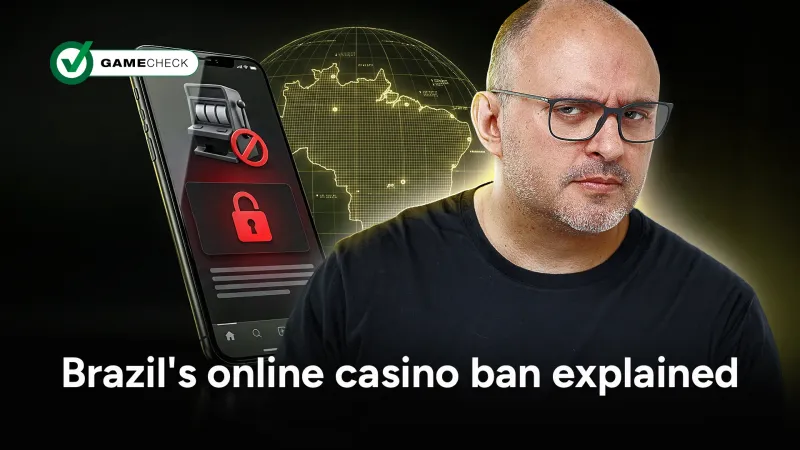
Brazil has banned online casino gaming and sports betting. On 25 September 2026, President Luiz Inácio Lula da Silva signed an order that ends both across the country, according to iGaming Business.
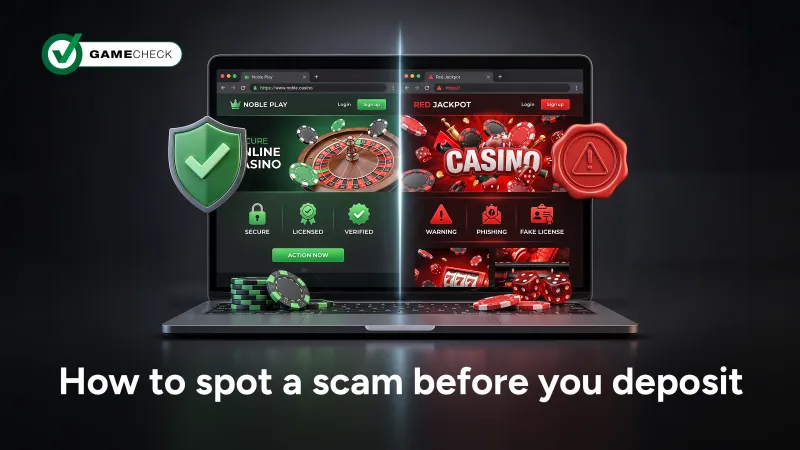
Choosing where to play online should feel simple. In practice, most players face a long list of unfamiliar brands, bonus offers that all sound generous and a set of small print terms that rarely get read in full. It is easy to pick a site because the homepage looks polished, then work out the details later. But the details are exactly where the risk sits.
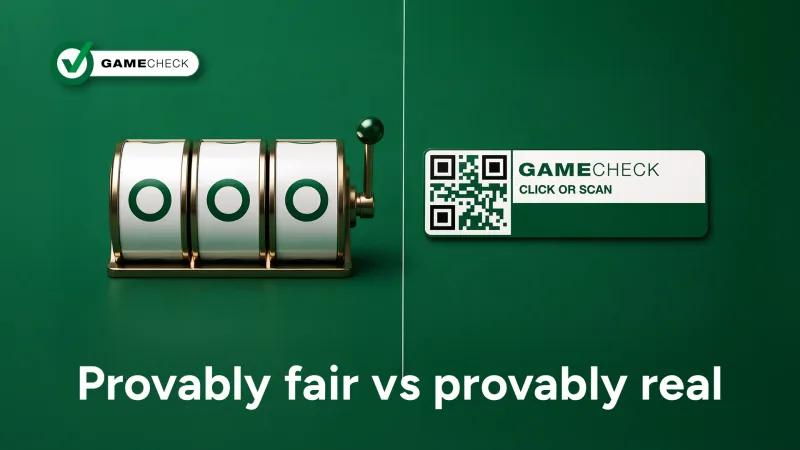
Responsible play is generally a series of personal habits: set a budget, check the clock, take breaks, stop when it stops being fun. These habits matter. But they all rely on something quieter: data. A player that does not know what they are playing can not make an informed decision on it and it is hard to call an uninformed decision a responsible one.
Most online casino sessions today start on a phone, often in a spare five minutes between other things, on a screen a fraction of the size of a laptop display. That change in how players access online casino gaming has made it harder to spot a fake slot before it is too late.
Join operators using Gamecheck SEAL to protect players and grow credibility.




-20260914-152626-800x450.webp)





-800x450.webp)
-20260921-145945-800x450.webp)


-800x450.webp)
-20260623-121211-800x450.webp)